Aging is a natural process that gradually changes the appearance of the face. Over time, the skin may lose elasticity, facial tissues can begin to sag, wrinkles become more noticeable, and the jawline may appear less defined. These changes can sometimes make the face look tired or older, even when you still feel energetic and confident.
For people experiencing moderate to significant facial sagging, facelift surgery may be considered as a surgical option to improve visible signs of aging. Rather than simply tightening the surface of the skin, modern facelift techniques can address deeper facial tissues and help restore more balanced, defined facial contours.
At Vietnam Plastic Surgery & Dental, facelift treatment begins with an individual assessment to determine the patient’s facial anatomy, degree of aging, expectations, and overall suitability for surgery.
What Is Facelift Surgery?
A facelift, medically known as rhytidectomy, is a cosmetic surgical procedure designed to improve visible signs of aging in the face. Depending on the patient’s condition and the surgical technique selected, treatment may focus primarily on the lower face, jawline, cheeks, and sometimes the neck.
Facelift surgery may help address concerns such as:
- Loose or sagging facial skin
- Jowls along the jawline
- Loss of facial definition
- Changes in the position of facial soft tissues
- Deep facial folds
- Loose skin around the lower face and neck
A facelift is not intended to completely change a person’s natural appearance. The goal is generally to create a more refreshed, balanced, and naturally rejuvenated look while maintaining recognizable facial characteristics.
Why Does the Face Change With Age?
Facial aging involves much more than the appearance of wrinkles.
As we grow older, several structural changes can occur simultaneously. Skin gradually loses collagen and elasticity, facial fat may shift or decrease in certain areas, deeper supporting tissues can descend, and bone structure also changes over time.
Environmental and lifestyle factors may also influence how quickly these signs become noticeable. Genetics, sun exposure, smoking, weight fluctuations, stress, and skincare habits can all contribute to the appearance of aging.
This is one reason why simply tightening the skin may not adequately address every concern. Modern facelift surgery may involve repositioning deeper tissues to achieve a more balanced result.
How Can Facelift Surgery Improve Signs of Aging?
The exact improvements depend on the patient’s anatomy and the chosen surgical approach.
One of the most common concerns is a less defined jawline. As tissues descend and skin becomes looser, jowls can develop around the lower face. Facelift surgery may reposition these tissues and remove an appropriate amount of excess skin to create a smoother transition between the face and neck.
Sagging around the cheeks and deeper facial folds may also be improved depending on the technique.
Importantly, facelift surgery should not simply make the skin look excessively tight. A carefully planned procedure considers facial proportions and deeper anatomical structures to achieve a result that appears natural rather than “pulled.”
What Is a SMAS Facelift?
When researching facelift surgery, patients may encounter the term SMAS facelift.
SMAS stands for Superficial Musculoaponeurotic System, a layer of tissue beneath the skin that contributes to facial structure and movement.
In certain facelift techniques, the surgeon adjusts or repositions the SMAS layer rather than relying only on skin tightening. Addressing deeper tissues can help redistribute tension and support facial contours.
However, there is no single facelift technique that is appropriate for everyone. The surgical approach should be selected according to the patient’s anatomy, degree of sagging, skin quality, medical condition, and treatment goals.
Who May Be a Candidate for Facelift Surgery?
There is no single “ideal age” for having a facelift.
Some people experience noticeable facial sagging earlier because of genetics, significant weight changes, sun exposure, or other factors. Others may maintain relatively firm facial tissues at an older age.
Potential candidates may include people who are concerned about sagging facial tissues, jowls, loose skin, reduced jawline definition, or age-related changes around the face and neck.
However, suitability for surgery depends on more than appearance alone. A surgeon should also evaluate general health, medical history, medications, smoking status, previous procedures, and expectations.
A consultation is therefore essential before deciding whether facelift surgery is appropriate.
What Happens During a Facelift Consultation?
The consultation is one of the most important stages of the treatment journey.
The surgeon typically examines facial proportions, skin quality, tissue laxity, jawline definition, and the neck. Patients should also explain which changes concern them most and what they hope to achieve.
Based on this assessment, the surgeon can discuss an appropriate treatment plan, including the proposed technique, expected incision locations, anesthesia, recovery, potential results, and possible risks.
Patients should use the consultation as an opportunity to ask questions and develop realistic expectations.
What Happens During Facelift Surgery?
The exact procedure varies according to the surgical plan.
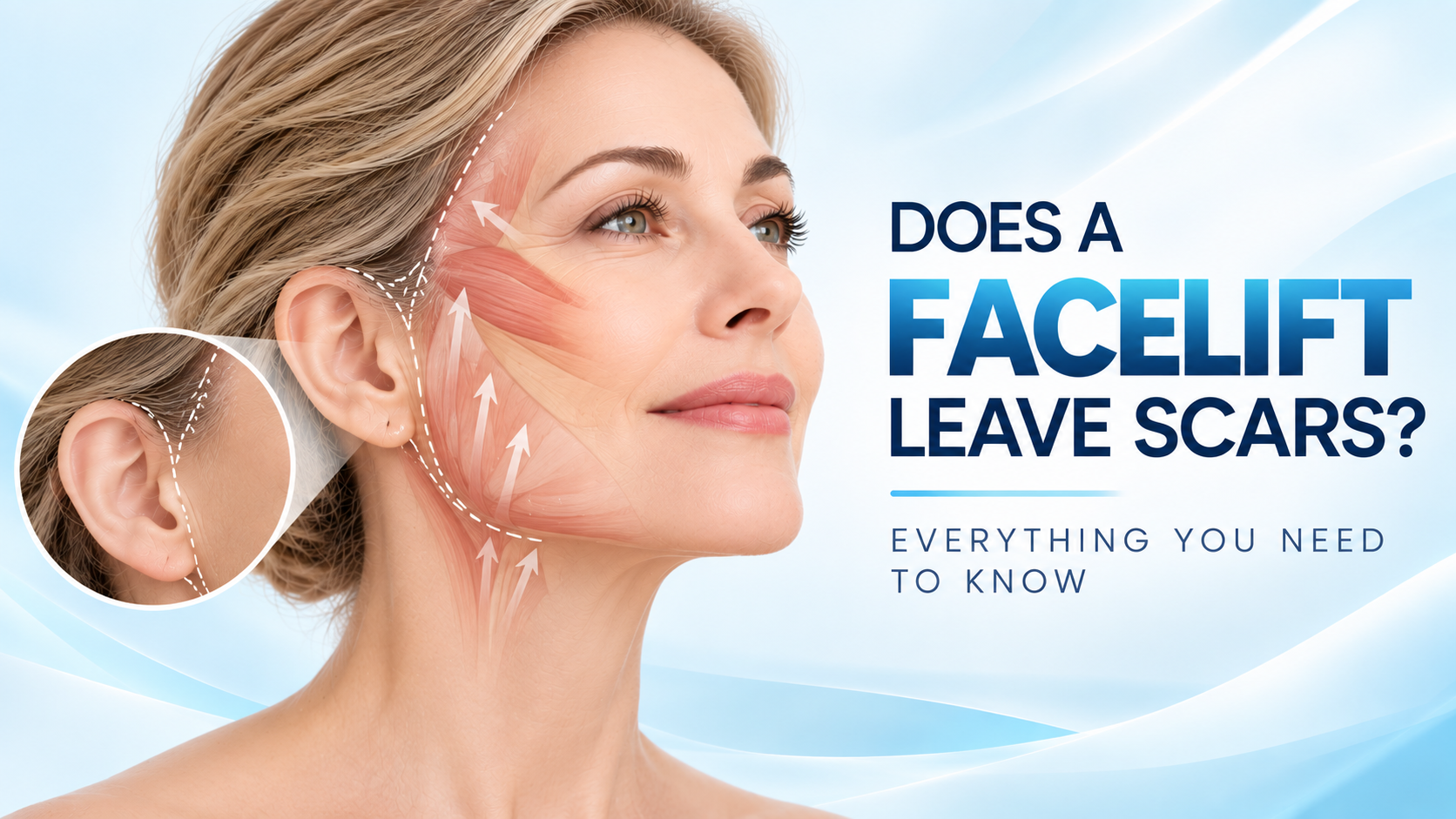
Incisions are generally positioned around areas such as the hairline and ears so that resulting scars can be placed within natural anatomical boundaries where possible.
The surgeon may then reposition deeper tissues, adjust the SMAS layer when indicated, remove an appropriate amount of excess skin, and carefully close the incisions.
In some cases, facelift surgery may be combined with treatment of the neck or other procedures when clinically appropriate.
The extent of surgery, anesthesia method, and operating time vary between patients.
What Is Facelift Recovery Like?
Recovery is gradual rather than immediate.
Swelling, bruising, tightness, tenderness, and temporary changes in sensation can occur during the early healing period. These effects typically improve over time, although every patient heals differently.
Patients will receive postoperative instructions regarding wound care, medication, sleeping position, physical activity, and follow-up appointments.
It is important not to evaluate the final result too soon. Residual swelling can temporarily affect facial contours, and tissues require time to settle into their new position.
Following the surgeon’s postoperative instructions and attending scheduled follow-up appointments are important parts of recovery.
Will a Facelift Stop the Aging Process?
No cosmetic procedure can permanently stop aging.
A facelift can improve existing signs of facial aging, but the skin and underlying tissues will continue to change naturally over time.
How long the improvement remains noticeable varies according to factors such as skin quality, age, genetics, surgical technique, sun exposure, smoking, lifestyle, and weight fluctuations.
Maintaining a healthy lifestyle, protecting the skin from excessive sun exposure, and following appropriate skincare practices may help support the appearance of the skin after recovery.
Will Facelift Surgery Leave Scars?
Because a facelift is a surgical procedure, incisions and therefore scars are unavoidable.
Surgeons generally plan incisions around natural contours, such as the hairline and ear, with the goal of making them less noticeable once healed. Scar appearance, however, varies depending on surgical technique, individual healing characteristics, skin type, postoperative care, and other factors.
Patients should discuss expected incision locations and scar management with their surgeon before surgery.
Choosing Facelift Surgery in Vietnam
For international patients, undergoing cosmetic surgery overseas requires careful planning beyond the procedure itself.
At Vietnam Plastic Surgery & Dental, patients can receive support throughout their treatment journey, from initial consultation and treatment planning to postoperative follow-up. Assistance may also include airport pickup arrangements, hotel booking support, interpretation, and coordination of follow-up appointments according to the patient’s treatment schedule.
Patients traveling internationally should allow sufficient time for medical assessment, surgery, early recovery, and follow-up before flying home. The appropriate timeline should always be determined with the treating medical team.
A More Refreshed Appearance While Staying True to You
Facelift surgery is not about creating an entirely different face. For many patients, the objective is to address visible aging while preserving the features that make their appearance unique.
Successful treatment begins with an appropriate medical assessment, realistic expectations, an individualized surgical plan, and careful postoperative follow-up.
If you are concerned about sagging skin, jowls, loss of jawline definition, or other visible signs of facial aging, a consultation can help determine whether facelift surgery may be suitable for your needs.
Contact Vietnam Plastic Surgery & Dental to learn more about facelift surgery and receive a personalized consultation based on your facial condition and aesthetic goals.