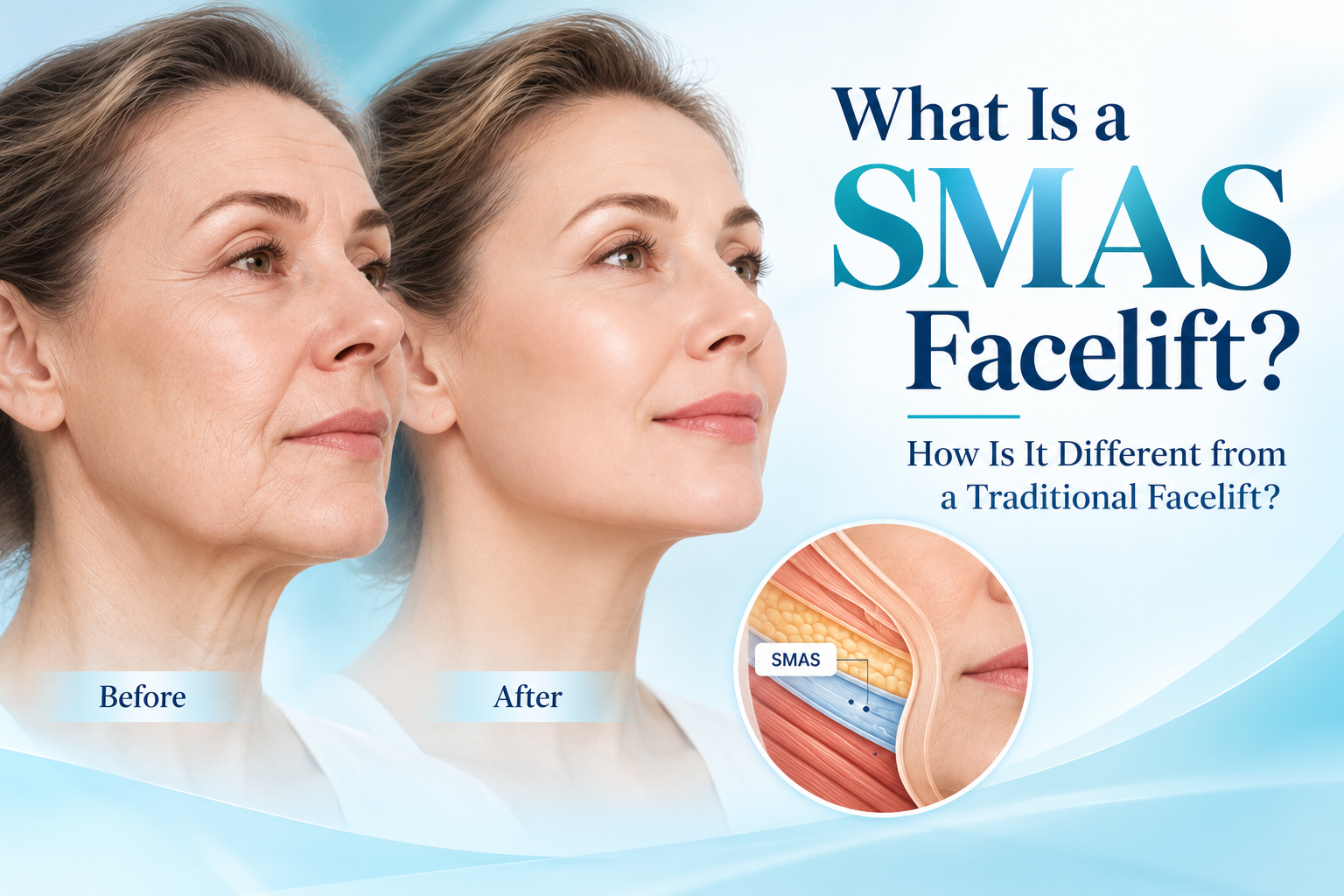
As we age, the skin gradually loses elasticity, facial tissues may shift downward, the jawline can become less defined, and loose skin may develop around the face and neck. When non-surgical treatments no longer provide the desired level of improvement, facelift surgery may be an option to consider after a thorough consultation with a qualified surgeon.
So, how does facelift surgery work? What should you prepare before surgery, and what can you expect during recovery? Let’s explore the process with Vietnam Plastic Surgery & Dental.
What Is Facelift Surgery?
Facelift surgery is an aesthetic procedure designed to improve certain visible signs of aging in the face and, depending on the individual, may also address the neck area.
Rather than simply tightening the surface of the skin, certain facelift techniques may involve repositioning deeper facial tissues, removing an appropriate amount of excess skin, and restoring more defined facial contours.
The goal of facelift surgery is not simply to make the skin look “tighter.” A carefully planned procedure aims to create a more refreshed and balanced appearance while maintaining the patient’s natural facial characteristics.
Because facial anatomy, skin quality, degree of aging, and individual expectations vary from person to person, the surgical approach should be personalized.
What Does the Facelift Surgery Process Involve?
A typical facelift surgery process includes several stages, beginning with consultation and medical assessment and continuing through surgery and postoperative follow-up.
Step 1: Consultation and Facial Assessment
The first step is a detailed consultation with the surgeon.
During this appointment, the surgeon evaluates visible signs of facial aging, such as loose skin, sagging cheeks, facial folds, loss of jawline definition, and laxity around the neck.
The surgeon will also discuss the patient’s goals, medical history, previous procedures, current medications and supplements, and any factors that may affect surgery or recovery.
This assessment helps determine whether facelift surgery is appropriate and which surgical approach may best suit the patient.
Step 2: Developing a Personalized Surgical Plan
Not every patient requires the same facelift technique.
After evaluating the face, the surgeon develops a treatment plan based on the patient’s anatomy, degree of aging, skin quality, and aesthetic goals.
Depending on the individual, the surgical plan may focus on the midface, lower face, jawline, neck, or a combination of these areas. In some cases, additional procedures may also be discussed when clinically appropriate.
At this stage, patients should receive clear information about the proposed surgical approach, expected incision locations, recovery process, realistic outcomes, and potential risks.
Step 3: Preoperative Health Assessment
Before surgery, the patient will undergo an appropriate health assessment according to the surgeon’s recommendations and the requirements of the medical facility.
This may include laboratory tests or other examinations depending on the patient’s health status and the planned procedure.
Patients should provide complete information about their medical history, allergies, medications, supplements, and existing health conditions.
Medications should not be stopped, started, or adjusted without guidance from the treating medical professional.
Step 4: Facelift Surgery
Once the patient has been assessed and cleared for surgery, the procedure is performed according to the agreed treatment plan.
Depending on the technique, incisions are generally positioned in areas designed to make postoperative scars less noticeable, such as around the ears and within or near the hairline.
The surgeon then accesses and adjusts the appropriate facial tissues, repositions deeper structures when indicated, removes excess skin as needed, and carefully closes the incisions.
Some facelift techniques involve the SMAS (Superficial Musculoaponeurotic System), allowing the surgeon to address deeper facial structures rather than relying solely on tightening the skin.
The exact technique, type of anesthesia, and duration of surgery vary depending on the individual patient and the extent of the procedure.
What Happens After Facelift Surgery?
Following facelift surgery, patients may experience swelling, bruising, tightness, tenderness, or temporary numbness. The degree of these symptoms varies between individuals and generally changes as healing progresses.
Patients will receive instructions regarding incision care, prescribed medications, sleeping position, daily activities, and follow-up appointments.
During the early recovery period, strenuous exercise and activities that place unnecessary pressure on the surgical area are generally restricted according to the surgeon’s instructions.
Swelling and bruising gradually improve over time. However, facelift results should not be judged too early. The facial tissues need time to settle, and the appearance typically continues to change as healing progresses.
Recovery time varies depending on the surgical technique, extent of treatment, individual healing response, and overall health.
How Should You Care for Yourself After a Facelift?
Postoperative care is an important part of the overall facelift process.
Patients should carefully follow their surgeon’s instructions rather than applying unapproved treatments or home remedies to the surgical area.
General postoperative guidance may include keeping the incision area clean as instructed, taking prescribed medication correctly, avoiding unnecessary pressure on the face, and attending scheduled follow-up appointments.
If unusual symptoms occur, such as significantly increasing pain, excessive bleeding, difficulty breathing, fever, or other concerning changes, patients should contact their medical provider promptly for assessment.
Are Facelift Results Permanent?
Facelift surgery can provide long-lasting improvement, but it cannot stop the natural aging process.
After surgery, the skin and facial tissues will continue to change over time.
The longevity of facelift results can be influenced by several factors, including age, skin quality, genetics, surgical technique, lifestyle, smoking, weight fluctuations, and sun exposure.
For this reason, the realistic goal of facelift surgery is to improve existing signs of aging and create a more refreshed, balanced appearance—not to permanently prevent future aging.
Who May Consider Facelift Surgery?
Facelift surgery may be considered by individuals experiencing concerns such as sagging facial tissues, loose skin, reduced jawline definition, or other age-related changes that make the face appear older than they would like.
However, age alone does not determine whether someone is a suitable candidate.
Overall health, skin quality, facial anatomy, expectations, and individual risk factors should all be evaluated before surgery.
Whether facelift surgery is suitable for a particular person can only be determined after an appropriate consultation and medical assessment.
Facelift Surgery at Vietnam Plastic Surgery & Dental
At Vietnam Plastic Surgery & Dental, the consultation process is tailored to each patient’s facial condition, concerns, and individual goals.
Before making a decision, patients are provided with information about the recommended treatment approach, expected recovery, postoperative care, potential benefits, and possible risks.
For international patients traveling to Vietnam, our team can also provide practical support throughout their treatment journey, including assistance with travel arrangements, hotel booking support, interpretation during consultations, follow-up appointments, and aftercare guidance.
Conclusion
Understanding the facelift surgery process can help you prepare more confidently before deciding whether the procedure is right for you.
A comprehensive facelift journey involves much more than the surgery itself. It begins with consultation and medical assessment, followed by personalized surgical planning, the procedure, and careful postoperative monitoring and recovery.
If you are concerned about loose facial skin, sagging tissues, reduced jawline definition, or visible signs of aging around the face and neck, a consultation with a qualified surgeon can help determine which approach may be appropriate for your individual needs.
Contact Vietnam Plastic Surgery & Dental to schedule a consultation and learn more about a personalized facelift treatment plan.